
Part 2 of 5 in LT Plumbing LLC’s Common Plumbing Problems series — serving Palmetto, Bradenton & Parrish since 2006
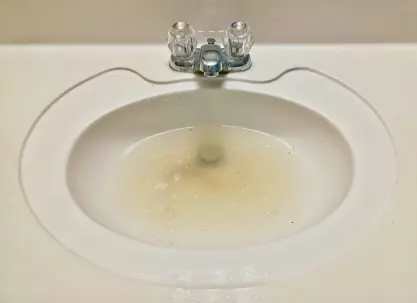
If there’s one plumbing issue nearly every homeowner has faced, it’s the clogged drain. Kitchen sinks, bathroom sinks, showers, and tubs all clog for different reasons — and knowing which one you’re dealing with changes how you should handle it.
What Causes Clogged Drains, By Location
Kitchen sinks - Grease and cooking oil that solidify inside the pipe - Food particles, especially starchy foods (rice, pasta) that expand - Coffee grounds and eggshells
Bathroom sinks & showers - Hair combined with soap scum - Mineral buildup from hard water narrowing the pipe over time
Toilets - Excess toilet paper - “Flushable” wipes, feminine hygiene products, or other non-degradable items
Why a Slow Drain Gets Worse, Not Better
A partial clog restricts flow but doesn’t stop it — which is exactly why people ignore it. Every cycle of water through a narrowing pipe deposits more material along the walls, and the clog builds until it’s a full blockage or, worse, backs up into another fixture.
Safe DIY Steps for a Clogged Drain
- Boiling water (kitchen sinks only, not for PVC pipes — check your pipe material) can help dissolve grease
- A plunger works on sinks, tubs, and toilets — use a flat-bottomed cup plunger for sinks/tubs, a flange plunger for toilets
- A drain snake/auger can physically pull out hair and debris
- Avoid chemical drain cleaners where possible — they can damage older pipes and are a safety hazard if a plumber later needs to work on the line without knowing chemicals are present
When to Call a Professional Plumber
- The clog returns within days of clearing it (sign of a deeper blockage or pipe damage)
- Multiple drains are slow or backing up at once — this often points to a main sewer line issue, not a single fixture
- You hear gurgling from other drains when you run water or flush
- Water backs up from a drain other than the one you’re using
A recurring or multi-fixture clog is one of the clearest signs it’s time for a professional camera inspection rather than repeated DIY attempts.
A Palmetto-specific note: Manatee County’s flat terrain and high water table mean sewer lines don’t always drain by gravity as efficiently as in hillier areas, and older sections of Palmetto and Bradenton still have original clay or cast iron laterals prone to root intrusion and sediment buildup. If your home is on one of these older lines, a recurring clog is worth a camera inspection sooner rather than later.
How to Prevent Clogged Drains
- Use drain covers/strainers in showers and kitchen sinks
- Never pour grease down the drain — let it cool and throw it away
- Run hot water for 30 seconds after using the kitchen sink
- Schedule an annual drain cleaning if your home has older cast iron or clay pipes
Next in the series: Running & Phantom-Flushing Toilets — The Silent Water-Bill Killer
Previous: ← Leaky Faucets
Dealing with a clog that won’t clear? LT Plumbing LLC brings cameras and hydro-jetting equipment for stubborn or recurring blockages across Manatee & Sarasota Counties. Call (941) 883-9861 for same-day service, or visit ltplumbingllc.com.